Rural communities in Zambia are often rich in natural beauty, culture, and history, yet they struggle with limited economic opportunities. Many of these areas remain unexplored, their potential hidden beneath the challenges of poor infrastructure, lack of investment, and minimal exposure to tourism. However, adventure tourism presents an exciting opportunity to change this narrative bringing sustainable development, employment, and community empowerment.
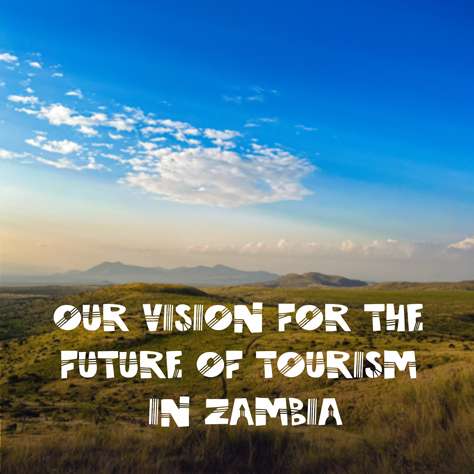
Adventure tourism is about more than just adrenaline-pumping activities; it is an immersive experience that connects people with nature, culture, and the heart of a destination. Zambia is filled with rugged terrains, vast rivers, dense forests, and breathtaking mountains all ideal for adventure seekers. The key is to harness these natural assets in a way that benefits both the visitors and the local communities.
Imagine a remote village with towering rock formations perfect for climbing or hills that offer stunning views for hiking. By introducing simple adventure tourism elements such as guided tours, eco-friendly campsites, or locally managed trekking routes these communities can create revenue streams while preserving their environment. For example, a small community-led initiative could establish a zip line over a scenic valley, attracting visitors and providing jobs to the youth as guides, instructors, and hospitality staff.
Beyond just economic benefits, adventure tourism fosters cultural exchange. Travelers eager for unique experiences can engage with local traditions, learn indigenous skills, and support small businesses selling handmade crafts, food, and services. When done right, tourism can become a tool for cultural preservation rather than exploitation, ensuring that heritage and traditions remain alive for future generations.
Moreover, developing adventure tourism in rural areas can lead to improvements in infrastructure, such as better roads, clean water access, and communication networks. These enhancements not only serve tourists but also significantly improve the quality of life for local residents.
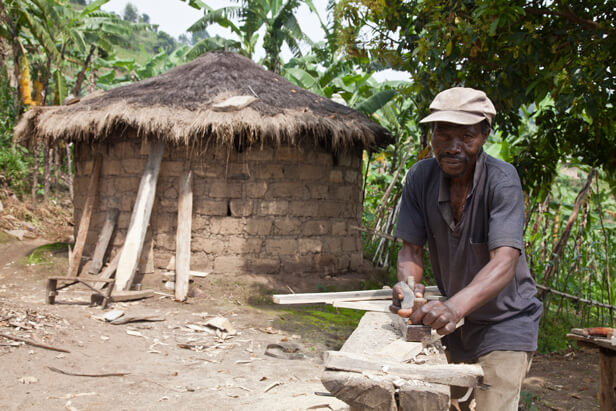
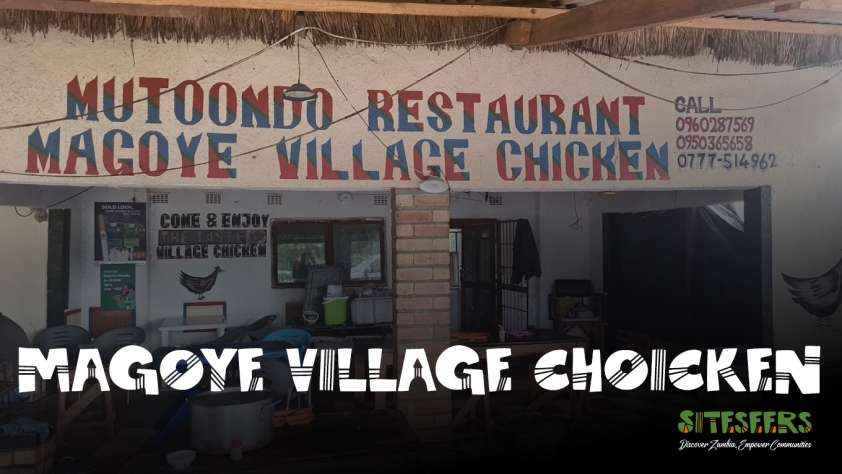
Additionally, adventure tourism stimulates demand for local industries and skilled labor. Farmers can supply fresh produce to lodges and restaurants catering to visitors, while craftsmen, woodworkers, and metalworkers can create furniture, artistic structures, and adventure equipment such as swings and climbing aids. Builders and construction workers can be employed to develop eco-friendly accommodations, trails, and activity zones. This holistic approach ensures that multiple sectors benefit, creating a thriving local economy beyond just tourism.
SiteSeers Zambia envisions a future where every scenic corner of the country is an opportunity not just for tourists to explore, but for communities to thrive. Through strategic planning, partnerships, and local training, we can turn Zambia’s natural wonders into sustainable tourism hubs that uplift the very people who call these places home.
Adventure tourism is more than just an industry; it is a movement that transforms landscapes and lives. With the right support and vision, we can make it a reality, one community at a time.